

How to choose the transport mode that fits your shipment
Transport is not a “one-size-fits-all” decision. The right choice depends on deadlines, cargo characteristics, handling risk, delivery frequency and the operational conditions at origin and destination. When the mode is selected using real criteria—not just the cheapest rate—logistics becomes stable, predictable and easier to control.
A practical way to start is to define your priority: speed, cost, or balance. After that, you choose the mode and route. If you simply pick the “lowest price” without checking timelines and risks, the result is often extra charges and last-minute upgrades.
Road freight: flexibility and fast organization
Road transport is a strong choice for regional lanes, clear delivery windows and shipments that require door-to-door coordination. It’s also ideal when you need the flexibility to adjust pickup times, routing or delivery locations. For the Balkans and nearby EU markets, road freight often provides the best mix of control and responsiveness.
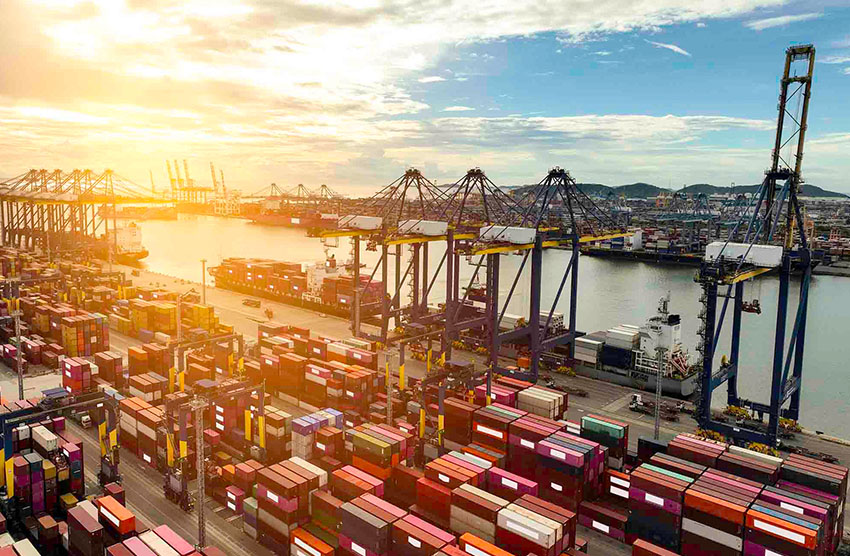
Sea freight: efficiency for larger volumes
Sea transport makes the most sense for bigger quantities and cost-sensitive shipments, especially when lead times are flexible. The key to success is coordination in the port and planning the next steps before the vessel arrives. When port procedures and documentation are aligned in advance, the sea option becomes both stable and highly economical—particularly for shipments routed via the Port of Bar.
Air freight: when speed is decisive
Air freight is used when timelines are critical or when the cargo value justifies the faster option. To make air transport effective, documentation and organization must be ready early, because the biggest time losses often happen before pickup and after arrival—during handling, customs and final delivery. With a prepared process, air freight provides the shortest transit time and clear milestone tracking.
Rail freight: stability on longer corridors
Rail is a good option when reliable routes and stable schedules are available, especially on longer corridors. It’s frequently combined with road trucking to ensure complete delivery to the final address. For many shippers, rail is a strong “middle ground” between cost and predictability—when capacity and terminal operations match the plan.
A simple rule for choosing the best option
If you’re unsure which mode is best, start with four inputs: deadline, cargo type, volume and locations. From there, you can design a solution that keeps cost and timing in balance—while reducing risk through clear documentation and coordinated port/customs steps.