

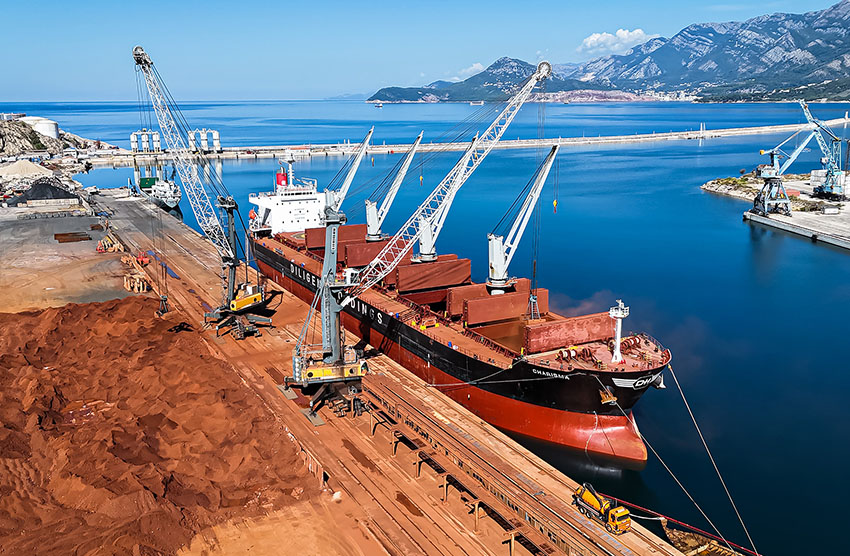
Maritime agency in the Port of Bar: operations, coordination and smoother cargo flow
A maritime agent is not “paperwork for paperwork’s sake.” In real port logistics, it’s the operational link between the vessel, the terminal and all parties involved—so procedures move forward clearly, on time, and without unnecessary downtime. When there is reliable local coordination, port operations become predictable instead of reactive.
When maritime agency support is especially important
Maritime agency becomes most valuable when your shipment involves multiple phases: vessel arrival, port formalities, customs flow, cargo pickup and onward transport. In these situations, local coordination shortens response time and reduces the risk of cargo being held up due to missing information, unclear responsibility or shifting schedules.
Typical cases where you benefit the most:
- vessel calls with time-sensitive cargo
- shipments requiring fast turnaround in port
- coordination between terminal, customs and inland transport
- situations where documentation must be aligned before arrival
What a maritime agent actually does (in practice)
In day-to-day operations, maritime agency support focuses on coordination and control of the process. That includes verifying key operational steps, communicating with relevant stakeholders, aligning information and ensuring that procedures are carried out in the correct order.
When each step is defined and confirmed, planning becomes easier—both in the port and in the next stage of transport.
How it reduces costs and waiting time
In ports, the biggest “invisible cost” is waiting. When documentation, communication and the next steps are prepared in advance, you reduce the risk of extra days, added charges and repeat procedures.
That’s why planning “before the ship arrives” is just as important as what happens during the call. A clear plan helps you maintain control over timing and keep the cargo moving without interruptions.
Port of Bar shipments: start with a simple operational plan
If your shipment is connected to the Port of Bar, the best starting point is a quick review of the plan: expected timing, documentation status, cargo pickup method and onward transport. This creates a stable workflow and a clear overview of responsibilities—before small issues become delays.